What Are the Most Important Car Parts You Should Know About?

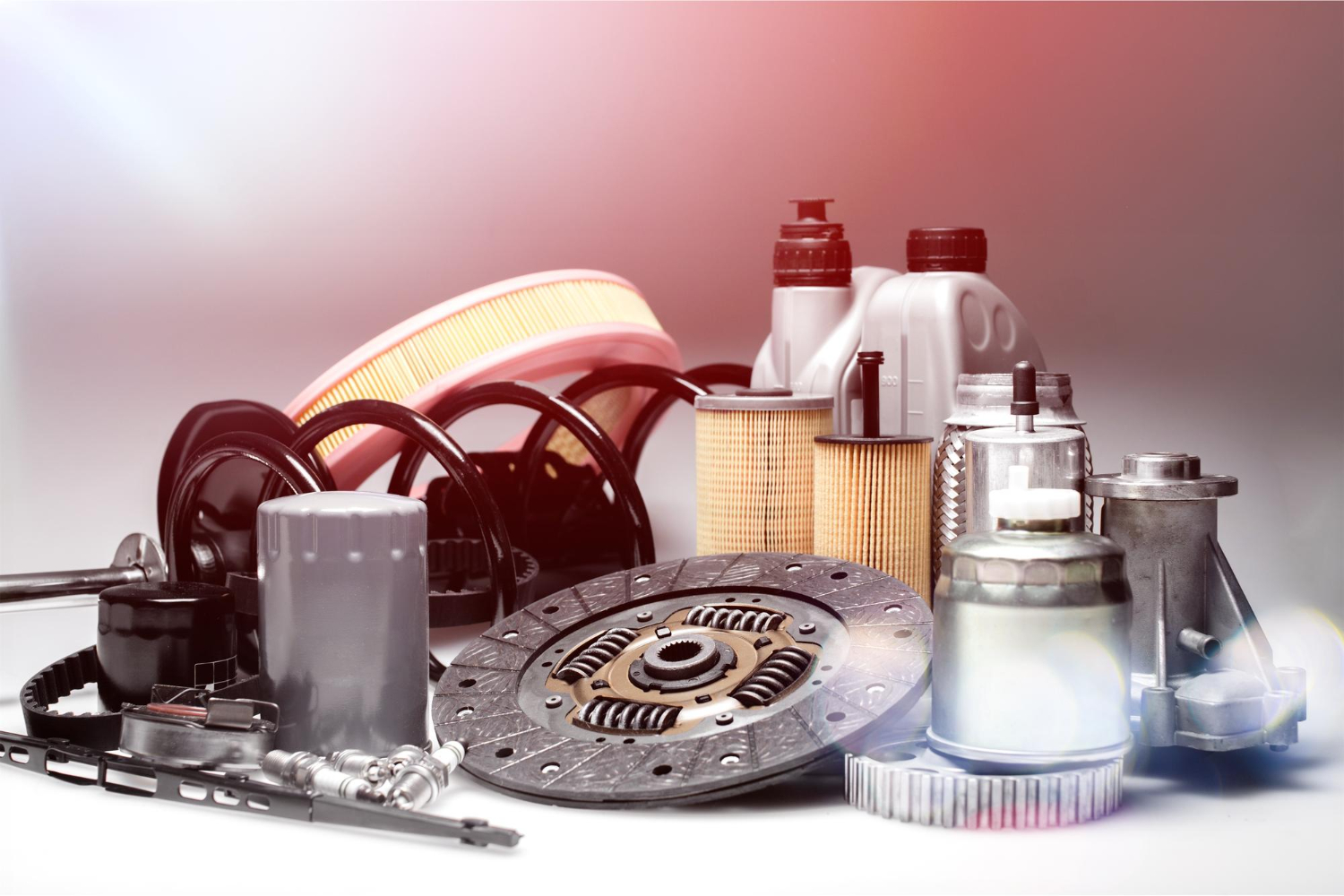
Whether you’re an experienced driver or just starting, understanding the essential components of your car can make a world of difference. Knowing how the major systems in your vehicle work allows you to catch problems early, avoid costly repairs, and make better decisions when it’s time to replace parts. You don’t need to be an expert mechanic, but a basic understanding of your car’s parts is an invaluable asset.
Let’s dive into the most important car parts every driver should be familiar with, their functions, and the maintenance tips you need to keep your vehicle in tip-top shape.
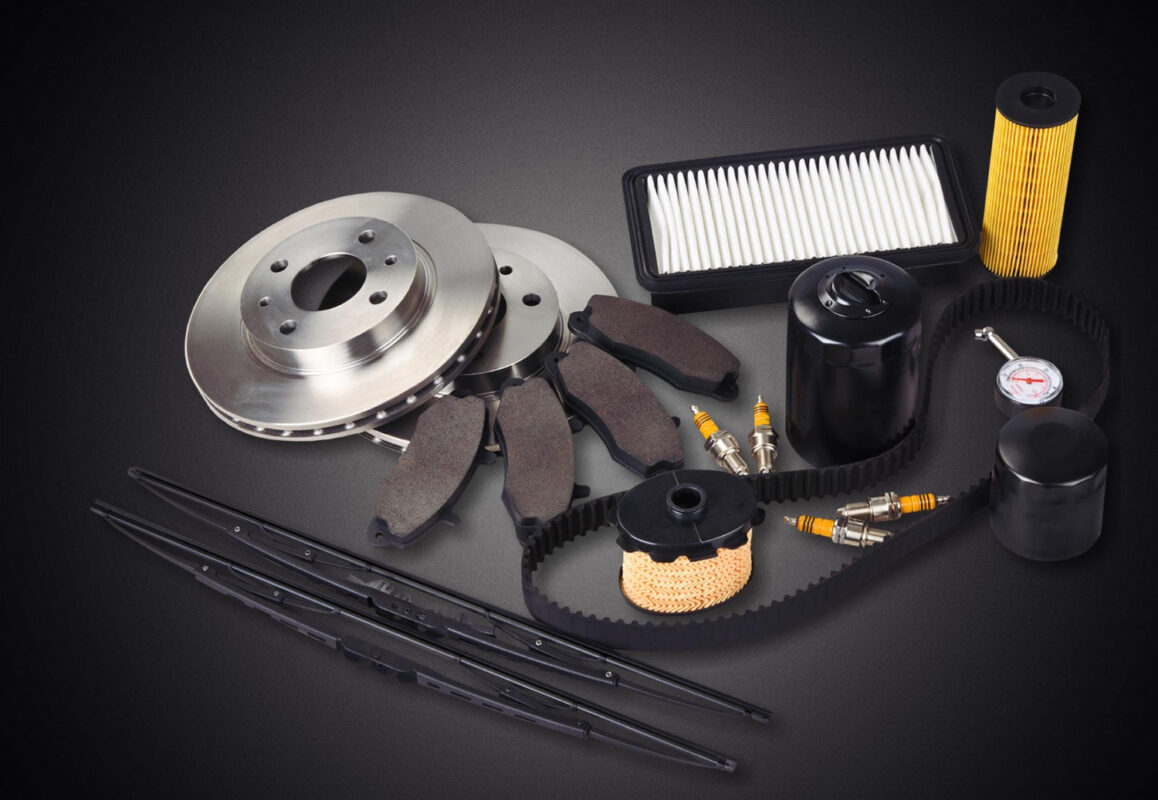
1. Brakes: The Most Crucial Safety Feature
Your car’s braking system is arguably the most important safety feature in your vehicle. Brakes allow you to slow down, stop, and maintain control of your car, especially during emergency situations. If your brakes aren’t working properly, it can lead to serious accidents.
What You Should Know:
-
Brake Pads: These are the components that press against the brake discs to create the friction that slows down the car. Over time, brake pads wear out and need to be replaced.
-
Brake Discs (Rotors): The surface that the brake pads clamp down on. If they get damaged or warped, it can reduce braking efficiency.
Signs You Need to Replace Your Brakes:
-
Squeaking or grinding noises
-
Vibration when applying the brakes
-
Reduced stopping power or a spongy brake pedal.
It’s crucial to inspect your brakes at least once a year or as soon as you notice any issues. Neglecting brake maintenance can be dangerous, so don’t wait too long!
2. Tires: Your Car’s Connection to the Road
Your tires are the only parts of your car that make direct contact with the road. Well-maintained tires are essential for proper traction, handling, and overall safety. They also affect fuel efficiency and ride comfort.
What You Should Know:
-
Tread Depth: The tread of your tires provides grip on the road. If the tread becomes too shallow, your tires will lose traction, especially in wet conditions.
-
Tire Pressure: Low tire pressure can cause uneven wear, reduce fuel efficiency, and increase the risk of tire blowouts.
Signs You Need to Replace Your Tires:
-
Visible damage like cuts, bulges, or punctures
-
Worn tread (use the penny test to check the depth)
-
Vibration while driving, indicating poor balance or alignment
Rotate your tires regularly (every 10,000 to 12,000 km) and check the air pressure monthly. Properly inflated tires contribute to better fuel economy and a smoother ride.
3. Battery: Powering Your Car’s Electrical System
The car battery is an essential component that powers the electrical system, including the engine start-up process. Without a working battery, your car simply won’t start.
What You Should Know:
-
Battery Life: Most car batteries last around 3–5 years, but extreme weather conditions can shorten their lifespan.
-
Battery Maintenance: Ensure the battery terminals are clean and free of corrosion, and the battery is securely fastened.
Signs Your Battery Is Failing:
-
Slow engine start-up or dim lights
-
Flickering dashboard lights
-
Electrical malfunctions in accessories (e.g., power windows, radio)
Have your battery tested during routine maintenance to ensure it’s still holding a charge. If you notice any warning signs, don’t wait to replace it.
4. Oil Filter: Keeping Your Engine Clean
The oil filter is responsible for keeping the engine oil free of dirt, debris, and contaminants. A clean oil filter helps ensure smooth engine operation, while a clogged filter can lead to engine wear and reduced performance.
What You Should Know:
-
Function: The oil filter traps particles from the engine oil, preventing them from circulating through the engine. Regular oil changes are essential for maintaining engine health.
-
Oil Change Interval: Typically, you should change both the oil and the oil filter every 5,000 to 10,000 km, depending on your car’s make and model.
Signs You Need to Replace the Oil Filter:
-
Poor engine performance or knocking noises
-
Reduced oil pressure
-
Engine overheating
Follow the manufacturer’s guidelines for oil and filter replacement to keep your engine in top shape.
5. Air Filter: Ensuring Efficient Engine Airflow
Your engine needs a steady supply of clean air for combustion. The air filter prevents dust, debris, and other contaminants from entering the engine. Over time, the filter can become clogged, reducing engine performance and fuel efficiency.
What You Should Know:
-
Function: The air filter ensures that only clean air enters the engine. If it’s clogged, the engine has to work harder, which can reduce power and fuel economy.
-
Maintenance: Air filters should be checked and replaced regularly, especially if you drive in dusty conditions or on long trips.
Signs You Need to Replace the Air Filter:
-
Reduced acceleration or power
-
Poor fuel economy
-
Engine misfires or rough idling
Check your air filter every 12,000 to 15,000 km, or according to your car’s manual. A clean air filter improves engine performance and reduces fuel consumption.
6. Lights: Visibility and Safety
Properly functioning lights are crucial for both your visibility and the safety of others on the road. They include headlights, brake lights, and indicators. Without them, driving becomes hazardous, especially at night or in poor weather conditions.
What You Should Know:
-
Headlights: Illuminate the road ahead and allow others to see you.
-
Brake Lights: Indicate to other drivers when you are slowing down or stopping.
-
Indicators: Let other drivers know your intended direction of travel.
Signs of Faulty Lights:
-
Dim or non-functioning bulbs
-
Flickering or irregular lighting
-
Burned-out bulbs
Regularly check all your car’s lights before driving, especially before long trips or at night. Replacing a bulb is quick and inexpensive, but can make a big difference in safety.
Know Your Car, Clean your Car Parts and Keep It Running Smooth!
Understanding the key parts of your car is a great way to ensure that your vehicle runs smoothly, safely, and efficiently. Regular maintenance and timely replacements of essential components like brakes, tires, and the battery can prevent costly repairs and help you avoid breakdowns on the road.
At ABHN Plus Ltd, we offer a wide range of high-quality auto parts to keep your car in great condition. Whether you need brake pads, oil filters, or a new set of tires, we’ve got you covered.
Need help finding the right parts for your vehicle? Our expert team is here to provide advice and guidance. Browse our selection today, and keep your car running at its best!